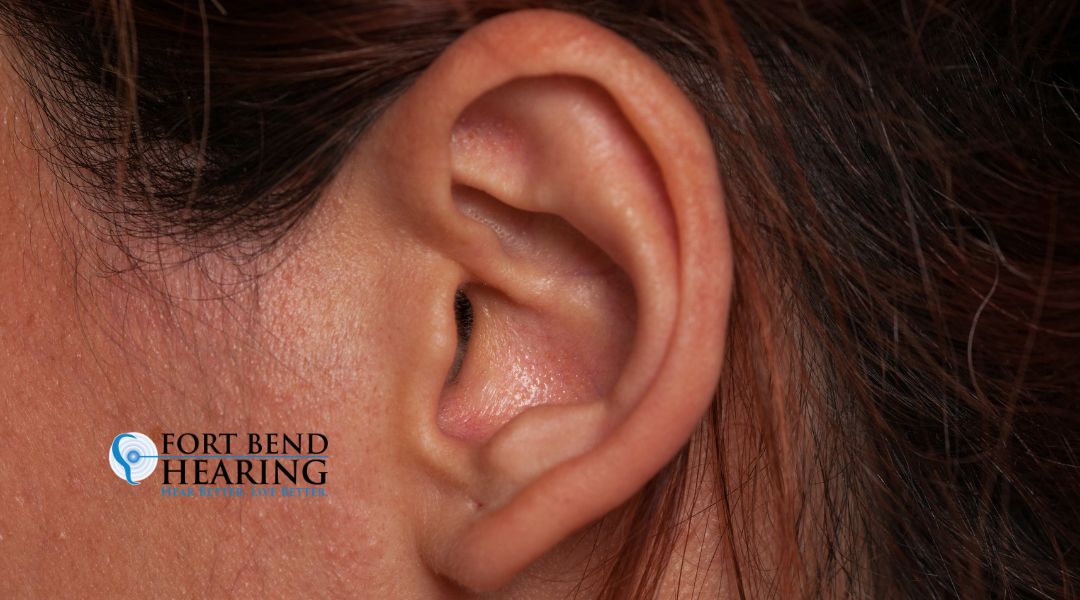

Keeping the ears dirt-free and healthy is one of the best ways to maintain healthy hearing. However, there is a proper way to clean the ears. Doing it incorrectly can risk your hearing and might endanger your eardrums. Audiologists know the best way to clean the ears, using safe tools and techniques to maintain the integrity of the fragile auditory system.
The eardrum is very fragile, a sudden poke from a sharp object could perforate it which could lead to serious consequences. So, what is the best way to clean the ears?
Cotton swabs? Ear candles? Ear washing or flushing? All of these are popular ear-cleaning tools or methods but as audiologists, we don’t encourage our patients to put something inside the ears.
Cleaning the outer ear is okay, but putting something inside your ear to get rid of wax and other dirt and debris is another story.
Why Your Ears Produce Earwax
Earwax, also called cerumen, is not dirt. It protects and lubricates the ear canal while helping trap dust, debris and other particles before they travel deeper into the ear.
Your ears normally clean themselves. Jaw movements from chewing and talking gradually move older wax toward the ear opening, where it dries and falls away naturally. Routine cleaning inside the ear canal is usually unnecessary.
Problems can develop when wax becomes trapped or tightly packed. Impacted earwax may cause muffled hearing, pressure, itching, discomfort, tinnitus or dizziness.
Are Q-Tips Bad for Your Ears?
Yes, putting Q-tips or other cotton swabs inside your ear canal can harm your ears. Instead of removing earwax, a cotton swab often pushes it farther into the canal, where it can become tightly packed.
Using Q-tips inside your ears can increase the risk of:
-
Impacted earwax and blocked hearing
-
Scratches or irritation inside the ear canal
-
Ear canal infections
-
Bleeding or discomfort
-
A punctured or injured eardrum
-
Temporary hearing changes caused by compacted wax
You may use a cotton swab to clean the folds of the outer ear, but never insert it into the ear canal. Do not place any cleaning tool or object inside the canal.
Best Way to Clean Your Ears: Dos and Don’ts
If you notice wax around the opening of your ear, gently wipe the outer ear with a warm, damp washcloth. Do not insert the washcloth into the ear canal.
Wax-softening drops containing ingredients such as hydrogen peroxide, mineral oil or baby oil may be appropriate for some people. Learn more about whether hydrogen peroxide is safe to put in your ear.
Speak with an audiologist or medical provider before using ear drops or an over-the-counter earwax removal kit if you have:
-
Ear pain, bleeding or drainage
-
A known or suspected perforated eardrum
-
Ear tubes
-
Previous ear surgery
-
An active or suspected ear infection
-
Sudden or unexplained hearing changes
-
Significant dizziness or balance problems
If a professional confirms that ear drops are safe for you, follow the product instructions carefully. Using more solution or leaving it in longer than recommended will not necessarily remove wax faster. Stop using the product and seek advice if you develop pain, irritation, dizziness, drainage or worsening hearing.
Avoid ear candles and devices that require inserting picks, cameras or other tools into the ear canal. These methods can cause burns, injuries or additional blockage.
After bathing or swimming, dry only the outer ear with a soft towel and allow the canal to dry naturally. Avoid aggressive or repeated cleaning because removing too much protective wax can leave the ear canal dry, irritated and more vulnerable to infection.
When Should You Seek Professional Help?
Schedule an ear examination if you experience:
-
Muffled or reduced hearing
-
Persistent fullness or pressure
-
Ear pain or significant itching
-
Ringing in the ears
-
Drainage or bleeding
-
Dizziness or balance problems
-
Symptoms that continue after you stop using cotton swabs
-
A blocked feeling that does not improve
Seek prompt medical attention for sudden hearing loss, severe pain, bleeding or drainage. These symptoms may indicate a condition other than ordinary earwax buildup.
If your ear continues to feel blocked, full or uncomfortable, schedule an examination instead of trying additional home treatments. Fort Bend Hearing provides professional ear-wax removal in Sugar Land, TX using methods selected for the condition of your ears.